
An EICR inspector examines the fixed electrical installation for safety and compliance, checking consumer units, fuses and protective devices for correct ratings, labeling and signs of overheating.
They test RCDs and circuit discrimination, inspect wiring routes, cable insulation and support, and assess sockets, switches and fixed appliances for damage. Earthing and bonding continuity and resistance are verified, and visible fire or thermal risks are recorded. Continue for detailed guidance on findings, codes and recommended actions.
An EICR is formally known as an Electrical Installation Condition Report. Property owners who need a basic explanation of its purpose, when it may be required and what the final report contains can read our guide explaining what an EICR inspection is.
For rented homes in England, landlords must arrange inspection and testing of the fixed electrical installation at least every five years, or sooner where the previous report specifies a shorter interval, under the electrical safety standards for rented homes.
The current government guidance confirms that the inspection covers fixed parts such as wiring, sockets, light fittings, consumer units and permanently connected equipment such as showers and extractor fans.
Key Takeaways
- Condition and labeling of the consumer unit, protective devices, and correct circuit discrimination.
- Integrity of fixed wiring, insulation, support, and evidence of overheating or physical damage.
- Earthing and bonding continuity, main earth connections, and bonding to gas/water services.
- RCD function and trip times, residual current thresholds, and coordination with overcurrent devices.
- Condition of sockets, switches, lighting fittings, appliances, flexible cords, and identification of immediate hazards (C1/C2/FI/C3).
Table of Contents
Quick EICR Checklist: What an Inspector Checks
An inspector examines the fixed electrical installation methodically, checking earthing and bonding, the condition of the consumer unit, circuit integrity, and the functionality of protective devices to ensure compliance with current regulations and identify any immediate safety hazards. They note visible wiring routes, cable support, and the condition of insulation, confirming safe separation from heat and moisture.
Socket and switch mounting, labeling, and accessibility are documented to ensure circuits serve their intended locations without obstruction. Lighting installations receive scrutiny for secure fixing, appropriate fittings, and correct control gear. Permanent appliances and their connections are checked for secure terminations and suitable isolation. Protective equipotential bonding at sinks, baths, and metallic services is verified.
Where applicable, RCD presence and testability are observed without delving into device specifics. Test results, observations, and mandatory recommendations are logged succinctly to empower occupants with clear choices about remedial actions, timing, and risk mitigation consistent with personal autonomy.
An EICR involves a combination of inspection and testing to determine, as far as reasonably practicable, whether an electrical installation is satisfactory for continued use. The IET provides further guidance on the purpose and scope of an EICR.
An inspector examines the fixed electrical installation methodically, checking the consumer unit, earthing and bonding, circuit condition and the performance of protective devices. Visible wiring routes, cable support and accessible accessories are assessed for deterioration, damage, overheating and other safety concerns. For a step-by-step explanation of the appointment, testing process and report stage, read our guide to what happens during an EICR inspection.
Consumer Units, Fuses and Protective Devices in an EICR
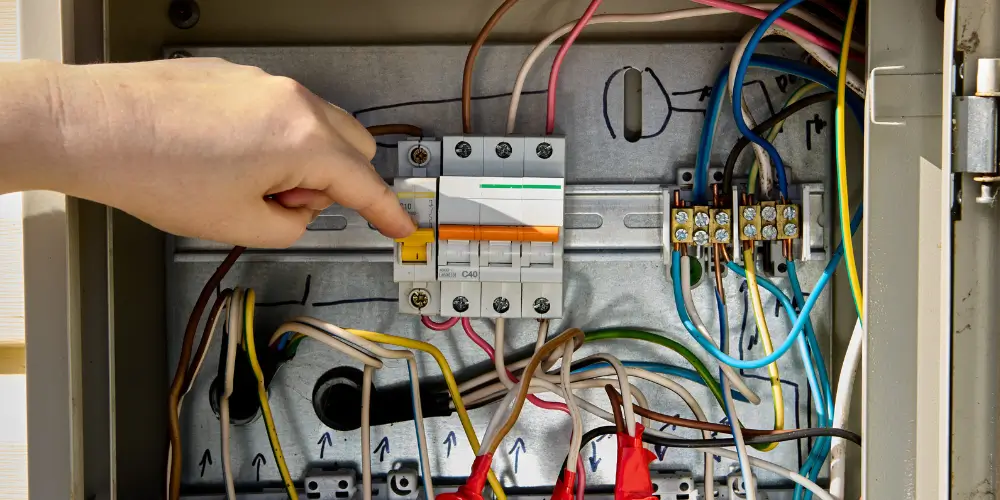
Consumer units, fuses, and protective devices form the heart of any fixed electrical installation and receive focused attention during an EICR to verify they provide correct circuit discrimination, adequate overcurrent protection, and reliable isolation. The inspector examines the consumer unit’s configuration, ensuring clear labeling, secure wiring, and appropriate circuit segregation.
Attention is paid to the age and condition of breakers and fuses, looking for signs of overheating, corrosion, or damage that could undermine safety and autonomy. Protective devices are reviewed to confirm ratings match cable capacities and intended loads, avoiding nuisance operation or hazardous overload.
Structural integrity of the mounting, adequate enclosure protection, and proper barriering between live parts are confirmed to ensure safe access. Any non-compliant modifications, missing covers, or inappropriate device replacements are documented with recommendations for corrective work. The approach emphasises preserving occupant freedom through dependable, clearly understood electrical protection that supports safe, uninterrupted use.
The inspector assesses the installation against the applicable edition of BS 7671, the IET Wiring Regulations, while taking account of the installation’s age, condition, use and any agreed limitations.
Do not permanently write only “BS 7671:2018+A2:2022” in this article. Amendment 4:2026 was published on 15 April 2026, while the previous version remains valid during the transition period until 15 October 2026.
After 15 October 2026, review and update the standard reference aga
Testing RCDs and Circuit Protection Performance
Following verification of consumer unit condition and protective device ratings, attention shifts to testing the functionality and performance of RCDs and other circuit protection. The inspector methodically verifies trip times, residual current thresholds, and discrimination between upstream and downstream devices.
Tests confirm that RCDs operate within specified milliseconds at rated leakage currents and that supplementary protection devices coordinate to isolate faults without unnecessary supply loss. Records note any failures, marginal performance, or need for replacement to preserve occupant safety and electrical freedom.
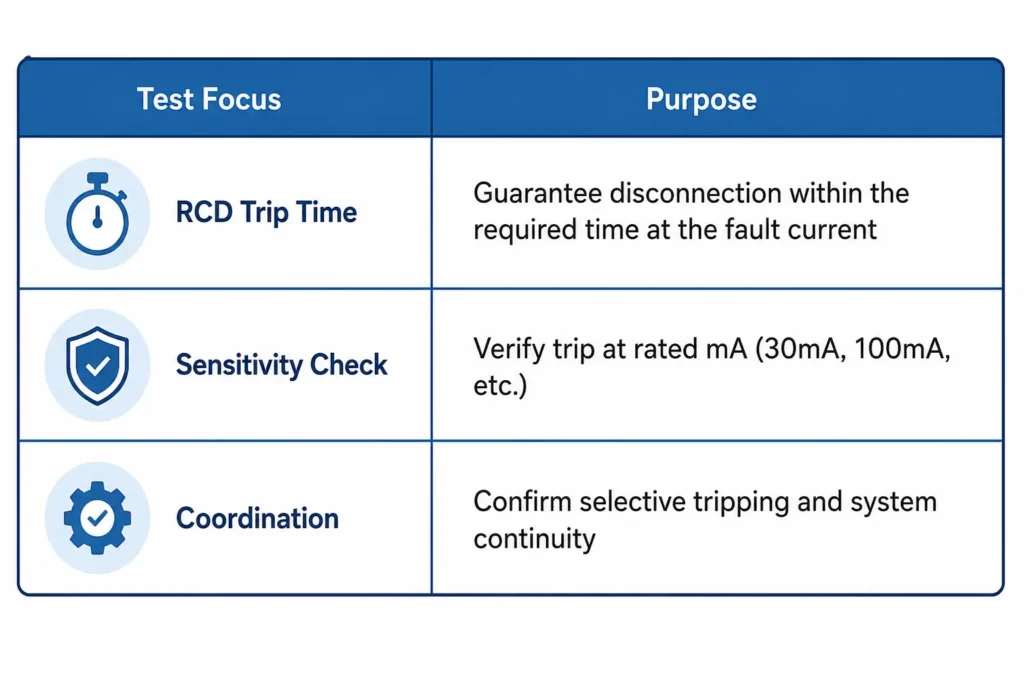
Documentation includes measured values, pass/fail status, and recommendations. The inspector recommends remedial action when devices fail to meet standards, enabling property owners to make informed, independent choices about safety improvements.
Wiring and Cable Route Checks (Damage, Insulation, Layout)
Inspectors examine wiring routes and cable condition to detect physical damage, degraded insulation, improper support, and unsafe proximity to heat or sharp edges. They note routing that restricts future alterations or locks occupants into fixed layouts, preferring accessible, logical runs that allow safe modification.
Visual inspection targets abrasion, crushing, rodent damage, signs of overheating, and inappropriate use of staples or ties. The inspector records evidence of concealment behind combustible materials or within combustible voids without suitable protection.
Wiring in lofts, under floors, and within trunking is scrutinised for serviceability and ease of change, supporting an occupant’s right to adapt spaces. Recommendations balance safety with freedom to reconfigure, advising remedial routing, protective sleeving, or re‑support where needed.
- Check for exposed cores, splits in the insulation, and heat discolouration.
- Verify cable fixings are the correct type, spaced and not over‑tightened.
- Identify routing that impedes future work or creates trap risks.
- Note installations lacking mechanical protection in vulnerable zones.
Sockets, Switches and Fixed Appliance Inspections
A thorough inspection of sockets, switches, and fixed appliances assesses accessibility, secure installation, correct wiring, and evidence of overheating or damage that could pose an electrical hazard. The inspector checks for loose faceplates, missing fixings, damaged insulation visible at the terminals, and signs of discoloration or melting indicating excessive heat. Switches are operated to confirm reliable operation and continuity of wiring; evidence of arcing or burning around contacts is recorded.
For fixed appliances cookers, hobs, showers the inspector verifies correct isolation, secure connections, and appropriate cable sizing relative to the appliance rating, noting any makeshift joins or poorly terminated conductors. Residual current device protection and suitable overcurrent devices for appliance circuits are confirmed without delving into earthing arrangements.
Accessible accessories are checked for ingress of dust or moisture where relevant. Observations are documented clearly, prioritising occupant safety and autonomy by identifying defects that restrict safe, independent use of electrical fittings.
Earthing and Bonding Checks During an EICR
Having verified sockets, switches and fixed appliances, attention moves to earthing and bonding, which confirm fault currents are safely carried away and exposed conductive parts remain at or near earth potential. The inspector examines the integrity of main earthing connections, continuity of protective conductors and adequacy of bonding between the incoming supply earth and installation earth.
Tests confirm resistance values meet regulatory guidance and that protective devices will operate correctly under fault conditions. Documentation and visible identification of earth conductors are checked to support future freedom of modification without compromising safety.
- Verify the main earth electrode connection and condition, including clamps and exposure to corrosion.
- Test continuity of circuit protective conductors and interconnections to metalwork.
- Measure the earth loop impedance and resistance to confirm rapid disconnection under fault.
- Confirm bonding to gas, water and other extraneous conductive parts is continuous and secure.
Findings are recorded clearly, with remedial actions specified when values or connections fail to satisfy standards.
Spotting Overheating, Visible Damage and Fire Risks
Several critical signs of overheating, visible damage, and fire risk should be identified promptly during an EICR: discolored or brittle insulation, scorch marks on enclosures or wiring, melted cable sheaths, and warm or blackened connections. The inspector visually examines consumer units, sockets, switches, and accessible cabling for deformation, staining, or charring.
Loose terminals, overloaded circuits, and evidence of arcing receive focused attention because they often precede fires. Cable routes are checked for abrasion, crushing, or exposure to heat sources that could deteriorate insulation. Appliances and flexible cords are inspected for fraying or repair tape that masks faults. Connections are probed when safe to assess tightness and thermal damage.
Where signs suggest overheating, the inspector documents findings, isolates affected circuits if necessary, and recommends prompt remedial action. Records note location, severity, and recommended corrective measures so occupants retain autonomy to arrange timely repairs and reduce risk.

Reading Your EICR Report: Codes, Actions and Timescales
How should one interpret the codes and recommendations in an EICR to prioritise action and meet suggested timescales? The report’s codes — C1 (danger present), C2 (potentially dangerous), C3 (improvement recommended), and FI (further investigation) — map severity to urgency.
An independent reader who values autonomy can use these concise classifications to decide immediate stops or planned works without deferring every choice. Timescales accompany codes: C1 demands immediate disconnection or repair; C2 requires timely remedial action; C3 invites scheduled upgrades; FI prompts targeted testing. Clear documentation of defects and remedial options allows occupants or managers to commission contractors with confidence, set budgets, and retain control over priorities.
Inspectors use C1, C2, C3 and FI classifications to communicate the seriousness of each observation. More detailed examples are available in Electrical Safety First’s EICR classification guidance.
The correct meanings are:
- C1: Danger present; immediate remedial action required.
- C2: Potentially dangerous; urgent remedial action required.
- C3: Improvement recommended.
- FI: Further investigation required without delay.
A report containing C1, C2 or FI observations is normally unsatisfactory. A report containing only C3 recommendations may still be satisfactory.
- Verify the exact wording and photos to confirm defects match conditions.
- Confirm proposed timescales and scope before approving work.
- Seek multiple quotes when cost or method affects freedom of choice.
- Record completion and retain the EICR for future decisions.
Frequently Asked Questions
Can I Be Present During the EICR Inspection?
Yes, the inspector usually permits occupant presence, preferring unobstructed access and cooperation. They remain professional, focused on safety and compliance. The occupant should avoid interference, follow guidance, and respect testing procedures and timing.
Will an EICR Cover Portable Appliance Testing (PAT)?
No, an EICR does not include PAT testing. The inspector reports on fixed-wiring conditions and safety risks, while portable appliance testing examines individual plug-in devices; occupants remain free to commission PAT if desired.
Do Inspectors Test Behind Walls or Only Accessible Wiring?
Inspectors test only accessible wiring and accessible fixed installations; they do not routinely test behind walls unless specific issues, openings, or intrusive investigations are agreed. The inspector reports visible defects and recommends further invasive checks if needed.
Is Landlord Permission Required for an EICR in a Rented Property?
Yes. Permission usually isn’t required if tenancy agreements or law allow access for safety checks; the inspector coordinates with the occupier and landlord. Tenants should notify landlords, and landlords must facilitate legally mandated EICRs.
How Long Does an EICR Certificate Remain Valid?
An EICR certificate typically remains valid for up to five years, though shorter intervals may apply depending on property use, condition, or landlord requirements; prudent individuals seeking freedom should arrange reassessment sooner if any concerns arise.
Conclusion
An EICR inspector methodically assesses safety, functionality, and compliance across a property’s electrical system, identifying defects, deterioration, and risks such as inadequate earthing, poor bonding, damaged wiring, ineffective RCDs, overloaded circuits, and faulty sockets or appliances. The report uses codes to prioritise remedial actions and recommended timescales, guiding property owners and managers to address issues promptly. Timely corrective work reduces shock and fire hazards, helps meet legal obligations and guarantees ongoing occupant safety.
Need an EICR inspection in London?
Send your property details and we will help with price and appointment availability.
Related guides
An Electrical Installation Condition Report does not have one universal renewal period for every property. How often an…

What Is Included in an EICR Report? An EICR report records the condition of a property’s fixed electrical…

How Long Does an EICR Inspection Take? An EICR typically takes about 1 hour for a small flat…